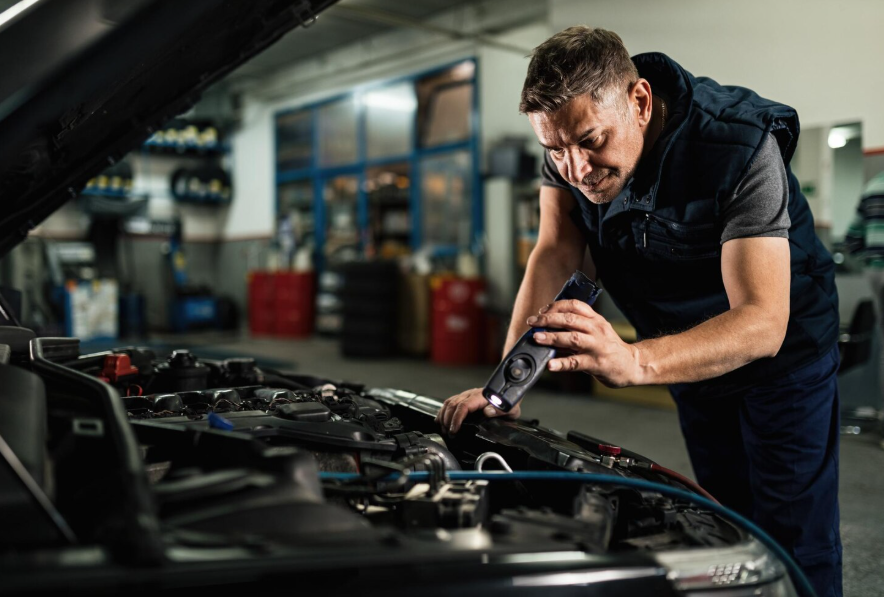
Vehicle Maintenance is the foundation of safe driving, reliable performance, and long term cost control. Many vehicle problems develop slowly due to neglect and poor care habits. Understanding Vehicle Maintenance essentials helps owners avoid breakdowns, reduce repair expenses, and extend the life of their vehicles. Smart maintenance is not complicated, but it requires consistency and awareness.
Vehicle Maintenance ensures that all components work together as designed. Regular care reduces the risk of sudden failures that can cause accidents or expensive repairs. Proper Vehicle Maintenance also preserves fuel efficiency, engine performance, and resale value. Vehicles that receive timely attention perform better and remain dependable over years of use.
Engine oil is critical to Vehicle Maintenance because it lubricates moving parts and reduces wear. Low or dirty oil can damage the engine quickly. Checking and changing oil at recommended intervals keeps the engine healthy. Other fluids such as coolant, brake fluid, transmission fluid, and power steering fluid are equally important. Regular fluid checks are a basic but essential part of Vehicle Maintenance.
Tires directly affect safety, comfort, and fuel efficiency. Maintaining correct tire pressure improves handling and braking while reducing fuel consumption. Uneven tire wear indicates alignment or suspension issues. Rotating tires regularly ensures even wear and longer life. Tire care is one of the simplest Vehicle Maintenance habits with immediate benefits.
Brakes are a critical safety component that require regular inspection. Worn brake pads, damaged discs, or low brake fluid can reduce stopping power. Vehicle Maintenance includes listening for unusual noises and paying attention to braking feel. Early detection prevents costly repairs and ensures reliable braking performance.
Battery failure is a common cause of vehicle breakdowns. Checking battery terminals for corrosion and ensuring secure connections improves reliability. Vehicle Maintenance also involves monitoring electrical components such as lights, indicators, and dashboard alerts. A healthy electrical system supports safe driving and prevents unexpected failures.
Clean air filters allow engines to breathe properly and burn fuel efficiently. Dirty filters restrict airflow and reduce performance. Replacing air filters at regular intervals improves Fuel & Mileage and engine response. Air filter care is a simple but often overlooked Vehicle Maintenance habit.
Suspension and steering systems affect ride comfort and control. Worn shock absorbers or loose steering components reduce stability and tire life. Vehicle Maintenance includes periodic inspection of suspension parts to ensure smooth handling. Addressing issues early improves comfort and driving confidence.
Scheduled servicing is a structured approach to Vehicle Maintenance. Professional inspections identify hidden issues before they become serious problems. Service checks include engine diagnostics, brake inspection, fluid replacement, and safety evaluation. Regular servicing keeps vehicles running efficiently and safely.
Vehicle Maintenance also includes cleaning and exterior protection. Washing removes dirt and corrosive elements that damage paint and metal surfaces. Waxing protects the exterior and maintains appearance. Interior cleaning preserves upholstery and enhances comfort. Clean vehicles are easier to inspect and maintain.
Vehicles often provide early warnings before failures occur. Unusual noises, vibrations, warning lights, or changes in performance should never be ignored. Prompt attention is a smart Vehicle Maintenance habit that prevents minor issues from becoming major repairs.
Different seasons place different demands on vehicles. Hot weather stresses cooling systems, while cold conditions affect batteries and fluids. Vehicle Maintenance should adapt to seasonal changes to ensure consistent performance. Preparing vehicles for weather conditions improves reliability and safety.
Consistent Vehicle Maintenance reduces ownership costs over time. Well maintained vehicles consume less fuel, require fewer repairs, and maintain higher resale value. Drivers experience smoother performance and fewer unexpected disruptions. Vehicle Maintenance is an investment that delivers long term returns.
Vehicle Maintenance is not about reacting to problems but preventing them. By following smart habits and staying attentive to vehicle needs, owners protect their investment and ensure safe, efficient driving. Regular Vehicle Maintenance builds confidence, reliability, and peace of mind throughout the vehicle’s life.