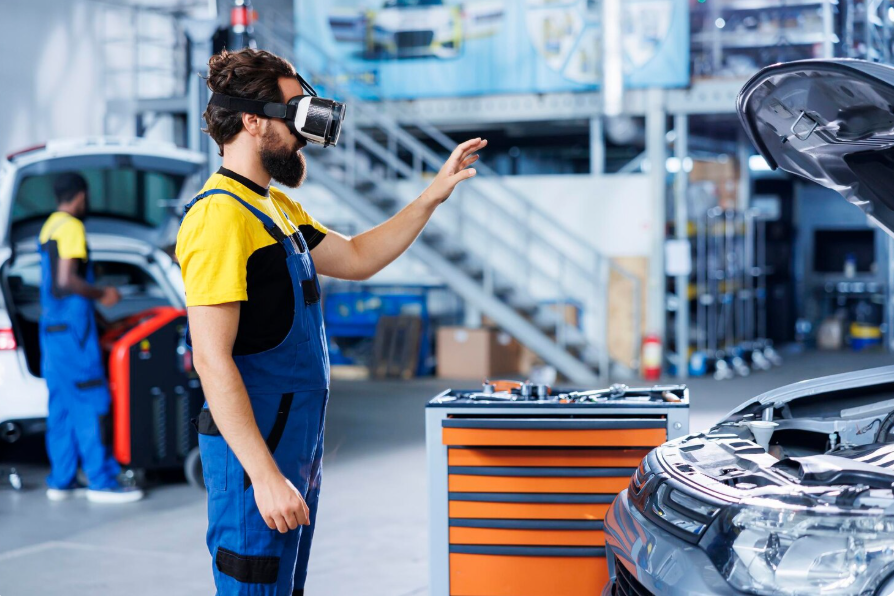
Auto Technology has become the foundation of innovation in the modern automotive industry. What was once centered on mechanical engineering has now expanded into a complex ecosystem of software, electronics, data, and intelligent systems. Auto Technology is driving change across design, manufacturing, safety, performance, and customer experience. As global demand for smarter and more sustainable transportation grows, Auto Technology continues to redefine how vehicles are built and how they operate in real world conditions.
The evolution of Auto Technology reflects the shift from purely mechanical systems to digitally controlled platforms. Early vehicles relied on manual processes and basic engineering principles. Today, Auto Technology integrates advanced computing, sensors, and communication systems to manage nearly every function of a vehicle. Engine control, braking, steering, and climate systems are now regulated by electronic units that respond faster and more accurately than human input. This transformation has allowed vehicles to become safer, more efficient, and easier to maintain.
Intelligent systems are at the core of modern Auto Technology. Vehicles now process data in real time to understand their surroundings and adjust behavior accordingly. Cameras, radar, and sensors collect information about traffic, road conditions, and obstacles. Auto Technology uses this data to support features like adaptive speed control, collision prevention, and automated parking. These intelligent systems improve driving confidence while reducing the likelihood of accidents caused by delayed reactions.
Auto Technology plays a critical role behind the scenes in vehicle manufacturing. Automation and robotics have transformed production lines by increasing precision and reducing errors. Advanced software allows manufacturers to simulate vehicle performance before physical models are built. Auto Technology enables predictive maintenance of machinery, reducing downtime and improving efficiency. This level of innovation ensures consistent quality while accelerating the pace of development across the automotive industry.
Energy efficiency has become a major focus due to rising environmental concerns. Auto Technology supports this goal through advanced power management systems and alternative energy solutions. Electric and hybrid vehicles rely heavily on Auto Technology to manage battery performance, energy distribution, and regenerative braking. These systems maximize range and minimize energy loss. Auto Technology also helps traditional engines become cleaner and more efficient by optimizing fuel delivery and emissions control.
Connectivity is a defining feature of modern Auto Technology. Vehicles are now connected to mobile devices, navigation platforms, and cloud based services. This digital integration allows drivers to access real time traffic updates, vehicle diagnostics, and remote controls. Auto Technology enables software updates that improve performance and add new features without requiring physical modifications. Connectivity transforms vehicles into smart devices that evolve over time.
Safety improvements are among the most visible benefits of Auto Technology. Advanced safety systems monitor driver behavior and environmental risks continuously. Features such as automatic braking, blind spot alerts, and stability control rely on Auto Technology to function accurately. These innovations significantly reduce accident rates and injury severity. Auto Technology supports a proactive approach to safety by preventing incidents rather than reacting after they occur.
User experience has become a key differentiator in the automotive market. Auto Technology enhances comfort and convenience through intuitive interfaces and personalized settings. Touchscreens, voice commands, and digital dashboards allow drivers to interact with vehicles more naturally. Auto Technology adapts seating, lighting, and climate preferences automatically. This personalization creates a seamless connection between driver and vehicle, making every journey more enjoyable.
The impact of Auto Technology extends beyond individual vehicles to the global economy. Automotive innovation drives growth in software development, electronics manufacturing, and data services. Auto Technology encourages collaboration between automakers, technology companies, and infrastructure providers. This interconnected ecosystem fuels research, investment, and job creation across multiple industries worldwide.
Despite its benefits, Auto Technology presents challenges that must be addressed. Increasing system complexity requires skilled professionals and robust testing standards. Cybersecurity is a growing concern as connected vehicles become targets for digital threats. Auto Technology also raises questions about data privacy and system reliability. Addressing these challenges requires strong regulations, continuous innovation, and industry wide cooperation.
The future of Auto Technology points toward greater automation and intelligence. Vehicles will continue to rely more on data driven decision making and predictive systems. Improvements in artificial intelligence and computing power will allow Auto Technology to anticipate risks and optimize performance in real time. The industry is moving toward vehicles that learn from usage patterns and environmental conditions, creating smarter and more adaptive transportation solutions.
Auto Technology matters because it shapes how people move, how resources are used, and how safety is maintained on the road. It supports sustainability goals, reduces operational costs, and improves quality of life. Auto Technology is not just an industry trend but a long term transformation that influences urban planning, energy systems, and global mobility strategies.
Auto Technology is powering innovation across the global automotive industry by blending intelligence, efficiency, and connectivity into modern vehicles. From manufacturing and safety to sustainability and user experience, Auto Technology drives progress at every level. As technology continues to advance, its influence will expand even further, creating vehicles that are smarter, cleaner, and more responsive to human needs. Auto Technology stands at the center of the automotive future, shaping a more innovative and connected world of mobility.